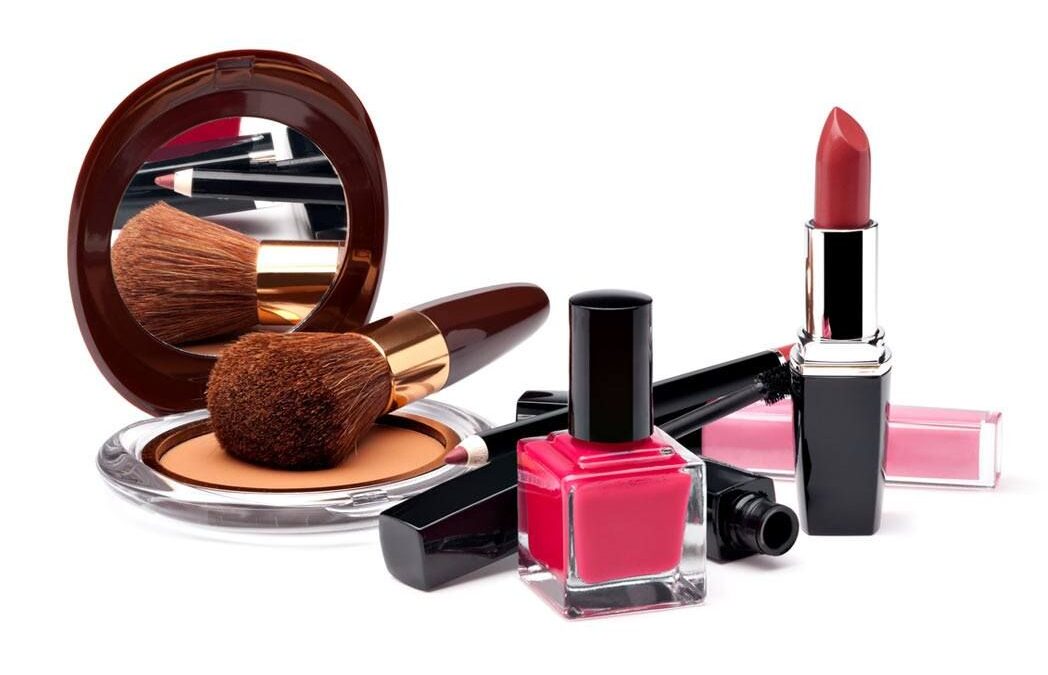
Getting into makeup can feel overwhelming—so many products, tools, and techniques to choose from! Whether you want a natural everyday look or you’re just beginning to explore beauty products, learning a structured makeup routine makes everything easier. This complete guide breaks down every essential step, explains what each product does, and gives you beginner-friendly recommendations from trusted brands like Maybelline, e.l.f., L’Oréal Paris, Fenty Beauty, and more.
If you’re new to makeup, this article will walk you through a simple, step-by-step makeup routine, plus pro tips to help you avoid common mistakes.
Why Follow a Full Makeup Routine?
A makeup routine helps you:
- Build looks that feel polished and cohesive
- Apply products in the right order
- Learn which products are essential (and which are optional)
- Avoid cakiness, patchiness, and uneven blending
- Improve your technique gradually
By the end of this guide, you’ll know exactly how to go from clean skin to a flawless finished look—no confusion, no clutter.
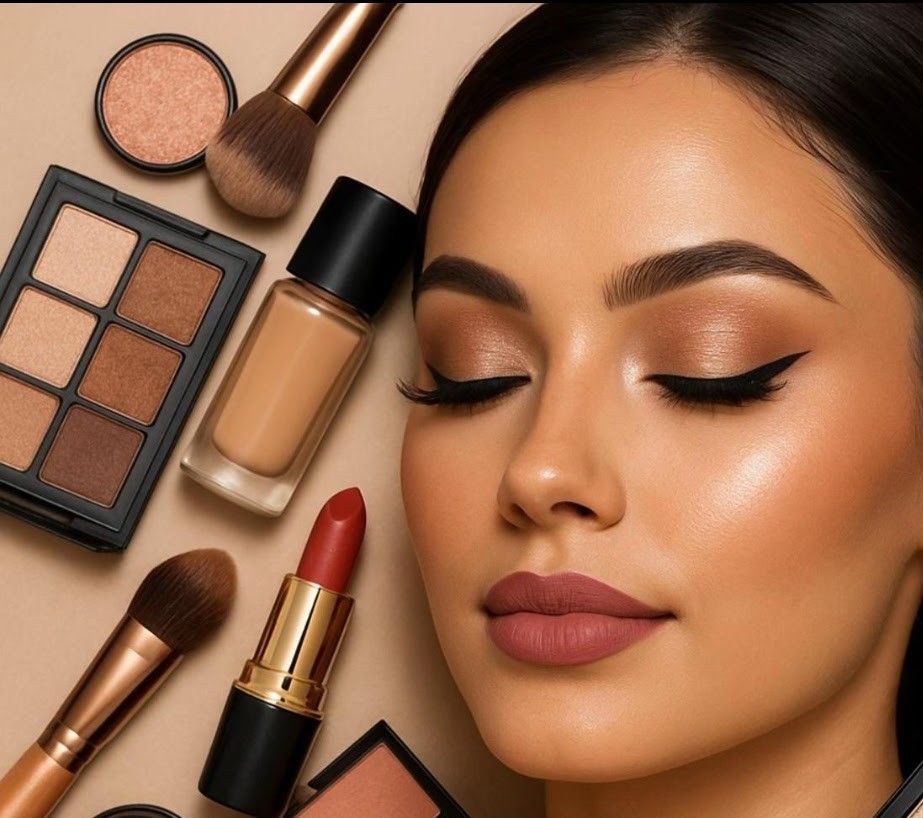
Makeup Routine for Beginners: Step-by-Step Guide
Below is the standard order most makeup artists follow. Beginners can simplify or skip steps, but this routine covers everything:
- Skincare Prep
- Primer
- Foundation
- Concealer
- Setting Powder
- Brows
- Eyeshadow
- Eyeliner
- Mascara
- Contour/Bronzer
- Blush
- Highlighter
- Lip Products
- Setting Spray
Let’s break down each one.
1. Skincare Prep (The Base for Flawless Makeup)
Makeup always looks better on moisturized, healthy skin. Even the best foundations can look patchy if skincare is ignored.
Beginner Skincare Routine Before Makeup
- Cleanser – removes oil/dirt (e.g., CeraVe Hydrating Facial Cleanser)
- Moisturizer – hydrates and smooths (e.g., Neutrogena Hydro Boost Water Gel)
- SPF – essential during the daytime (e.g., Supergoop! Unseen Sunscreen)
Why this matters
Hydrated skin = smoother foundation application and less creasing.
2. Primer (Optional but Helpful)
Primers create a smooth base and help makeup last longer. Beginners don’t need primer, but it’s great for longer wear or oily/dry issues.
Types of Primers
- Mattifying primer for oily skin (e.g., e.l.f. Power Grip Primer)
- Hydrating primer for dry skin (e.g., Milk Makeup Hydro Grip Primer)
- Pore-filling primer for texture (e.g., Benefit POREfessional)
How to Apply
Use a pea-sized amount only—too much can make makeup pill.
3. Foundation (Your Overall Base)
Foundation evens out your skin tone and creates a unified canvas.
Beginner-Friendly Foundations
- Maybelline Fit Me Matte + Poreless (oily/combination skin)
- L’Oréal Paris True Match Super-Blendable Foundation (all skin types)
- Fenty Beauty Pro Filt’r Soft Matte Foundation (medium–full coverage)
How to Choose Your Shade
- Match to your jawline, not your wrist
- Identify your undertone:
- Cool = pinkish
- Warm = yellow/golden
- Neutral = mix of both
Tools for Application
- Makeup sponge for natural finish
- Brush for more coverage
- Fingers for tinted moisturizers/BB creams
Common mistakes
- Using too much product
- Not blending into the neck
- Choosing the wrong undertone
4. Concealer (For Brightening & Spot Covering)
Concealer hides dark circles, acne marks, and blemishes.
Types of Concealers
- Brightening concealer (under eyes)
- Full-coverage concealer (spots and blemishes)
Top Beginner Concealers
- Maybelline Instant Age Rewind Concealer
- e.l.f. Hydrating Camo Concealer
- Tarte Shape Tape (original or creamy)
How to Apply
- Under eyes: create a triangle shape or apply small dots
- Blemishes: apply, let it sit 10 seconds, then blend
- Edges, not center: helps keep coverage
5. Setting Powder (Locks In Your Base)
Setting powder helps prevent creasing, shine, and movement.
Types
- Pressed powder – beginner-friendly
- Loose powder – best for oily skin
- Translucent powder – no added color
Recommended Powders
- Laura Mercier Translucent Loose Setting Powder
- Maybelline Fit Me Matte + Poreless Powder
- RCMA No-Color Powder
- Under eyes
- T-zone (forehead, nose, chin)
- Around mouth to avoid creasing
Where to Apply
6. Brows (Shape + Definition)
Brows frame your face and make a huge difference.
Basic Products for Beginners
- Pencil – easiest for natural look (e.g., NYX Micro Brow Pencil)
- Powder – soft, blended finish (e.g., Anastasia Beverly Hills Brow Powder Duo)
- Brow gel – holds hairs in place (e.g., Benefit Gimme Brow+)
Beginner Tips
- Use light strokes that mimic hair
- Focus on mid-section to tail, not inner brow
- Brush up with a spoolie to soften lines
7. Eyeshadow (Simple Looks for Beginners)
Eyeshadow can be intimidating, but you only need 2–3 shades for a basic everyday look.
Easy Eyeshadow Formula
- Transition shade – soft brown in crease
- Lid shade – shimmer or matte neutral
- Dark shade – outer corner for depth (optional)
Beginner Eyeshadow Palettes
- Morphe 9T Neutral Territory Palette
- Urban Decay Naked Basics
- ColourPop Nude Mood
Pro Tips
- Blend with a fluffy brush
- Avoid very dark shades until comfortable
- Shimmers are easier to apply with a finger
8. Eyeliner (Optional for Beginners)
Eyeliner defines your eyes and enhances their shape.
Types of Eyeliner
- Pencil – easiest for beginners
- Liquid – sharp, precise wings
- Gel – long-lasting, smooth
Best Beginner Eyeliners
- NYX Epic Ink Liner (liquid)
- L’Oréal Infallible Gel Pencil
- KVD Beauty Tattoo Liner
Beginner Tip
Start with tightlining (lining upper waterline). It makes lashes look fuller without needing a full wing.
9. Mascara (Instantly Opens the Eyes)
Mascara is essential for defining the eyes.
Best Beginner Mascaras
- Maybelline Lash Sensational
- L’Oréal Voluminous Lash Paradise
- Benefit BADgal BANG!
How to Apply
- Wiggle at the base, then sweep upward
- Apply 1–2 coats max to avoid clumping
- Use brown mascara for a softer look
10. Bronzer / Contour (Adds Warmth & Shape)
Bronzer = warmth
Contour = shadows/definition
Beginners usually start with bronzer.
Recommended Products
- Physicians Formula Butter Bronzer
- Fenty Beauty Sun Stalk’r Bronzer
- NYX Wonder Stick (Contour & Highlight)
Where to Apply Bronzer
- Cheekbones
- Forehead
- Jawline
- Lightly on nose
Use a fluffy angled brush—contour mistakes happen when brushes are too dense
11. Blush (Adds Color + Freshness)
Blush makes your face look alive and healthy.
Types of Blush
- Powder – easiest for beginners
- Cream – natural, dewy finish
- Liquid – highly pigmented (use sparingly
Beginner-Friendly Blushes
- Milani Baked Blush in Luminoso
- Rare Beauty Soft Pinch Liquid Blush
- e.l.f. Putty Blush
Smile and apply on the apples of your cheeks, blending upward toward temples.
12. Highlighter (Optional Glow)
Highlighter adds a radiant, luminous look.
Where to Apply
- Cheekbones
- Brow bone
- Nose bridge
- Cupid’s bow
Good Highlighters for Beginners
- Becca Shimmering Skin Perfector
- Wet n Wild MegaGlo Highlighting Powder
- Fenty Beauty Killawatt Freestyle Highlighter
13. Lips (Gloss, Balm, Lipstick—Your Choice!)
Almost every makeup look feels more polished with a finished lip.
Beginner Lip Options
- Lip balm – hydrating
- Lip gloss – shiny & easy
- Tinted lip balm – natural color
- Lipstick – matte or creamy
- Lip liner – improves shape & longevity
Top Beginner Lip Products
- Maybelline SuperStay Vinyl Ink
- NYX Butter Gloss
- Laneige Lip Glowy Balm
- MAC Matte Lipstick (Velvet Teddy is iconic)
If you’re unsure, choose nude shades that match your natural lip color
14. Setting Spray (Long-Lasting Makeup)
Setting spray keeps everything in place and removes powderiness.
Best Setting Sprays
- Urban Decay All Nighter
- NYX Matte Finish Setting Spray
- e.l.f. Stay All Night Micro-Fine Mist
Spray in an “X” and “T” motion for even coverage.
Beginner-Friendly Full Makeup Routine (Simple Version)
If the full routine feels like too much, start with this:
- Moisturizer
- Foundation or tinted moisturizer
- Concealer
- Powder
- Mascara
- Blush
- Lip gloss
This takes 5–7 minutes and gives a polished, natural look.
Beginner Makeup Tips (Must Read!)
1. Less Is More
Start with small amounts—you can always build.
2. Practice Your Lighting
Apply makeup in natural daylight when possible.
3. Clean Your Tools
Dirty brushes cause patchy makeup and breakouts.
4. Learn Your Face Shape
This helps with contour placement, blush placement, and brow shaping.
5. Try Multipurpose Products
Tinted lip + cheek sticks (e.g., Milk Makeup Lip + Cheek) simplify your routine.
6. Build a Capsule Makeup Collection
You do not need tons of products—just essentials that work for your skin type.
Best Makeup Brands for Beginners
These brands offer affordable, high-quality products that are easy to use:
Budget-Friendly
- e.l.f. Cosmetics
- Maybelline
- NYX Professional Makeup
- ColourPop
Mid-Range
- Rare Beauty
- Fenty Beauty
- Tarte
- Benefit Cosmetics
High-End
- Charlotte Tilbury
- NARS
- Urban Decay
- Hourglass
Pick based on your budget—great looks don’t require expensive products
Final Thoughts: Your Makeup Journey Starts Here
A full makeup routine doesn’t have to be complicated. With the right steps, the right products, and beginner-friendly techniques, you can create flawless looks that feel natural and confident. Start slow, practice often, and enjoy the process.
Whether you’re experimenting with your first foundation or building a complete beginner makeup kit with brands like Maybelline, e.l.f., Fenty Beauty, or L’Oréal Paris, remember—makeup should be fun.